Trees provide shade, improve outdoor spaces and contribute to the character of a garden. However, when a tree becomes structurally unstable, seriously diseased or damaged beyond practical recovery, it can pose a risk to nearby buildings, vehicles and people. Recognising the warning signs early helps property owners make informed decisions about tree safety and whether professional intervention is needed.
For homeowners in Bedminster, Bristol, trees growing close to houses, garden walls, driveways and other structures should be monitored for changes in their condition. Not every damaged tree needs to be felled, as pruning, crown reduction or other tree surgery work may resolve certain problems. However, understanding when removal may be the safest option is an important part of responsible tree care.
When Should a Tree Be Considered for Felling?
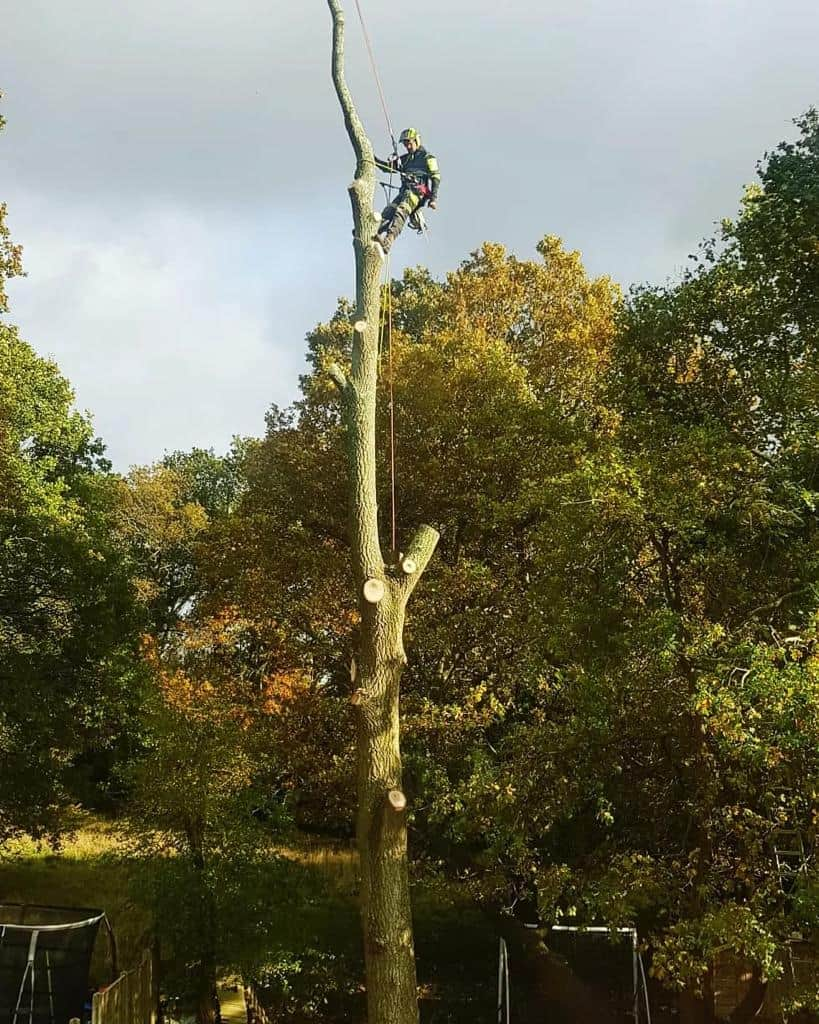
Tree felling involves removing a tree when its condition, position or risks make removal an appropriate course of action. The decision should be based on a professional assessment of the tree’s health, stability and surroundings rather than appearance alone.
Significant Leaning or Root Instability
A tree that develops a sudden lean may indicate a problem with its roots or supporting structure. Other warning signs include raised soil around the base, exposed or damaged roots and cracking in the ground near the trunk.
Although some trees naturally grow at an angle, a noticeable change in position can suggest that the tree is becoming unstable. If a tree near your property begins leaning unexpectedly, keep people away from the area and arrange a professional assessment promptly.
Extensive Deadwood or Large Broken Branches
Dead branches are common in trees, but extensive deadwood can indicate declining health or structural problems. Large dead limbs above a roof, driveway or frequently used garden area may pose a risk of falling, particularly during strong winds.
In some cases, targeted pruning or deadwood removal can address the hazard. If the decline affects much of the tree or its main structure is compromised, more extensive work, potentially including felling, may need to be considered.
Serious Disease or Advanced Decay
Fungal growth around the trunk or roots, large cavities, extensive areas of dead bark and significant sections of dying branches can indicate internal decay or disease. However, these signs do not automatically mean a tree must be removed.
A qualified tree surgeon can assess the extent of the damage and determine whether the tree can be retained safely. Where decay has substantially weakened the trunk or root system, felling may be the most appropriate way to reduce the risk to nearby property.
Major Trunk Cracks or Structural Damage
Deep cracks, splits or damaged unions between major limbs can affect a tree’s structural strength. Damage caused by storms, vehicle impact or previous poor pruning may leave the tree vulnerable to further failure.
If a major crack appears or worsens, particularly on a tree close to a building or boundary, professional advice is important. The assessment should consider whether the affected section can be managed through pruning or whether the whole tree presents an unacceptable risk.
How Trees Can Put Your Property at Risk
The potential consequences of tree failure depend on the tree’s size, condition and proximity to surrounding structures.
Damage to Roofs, Walls and Garden Structures
Falling branches can damage roof tiles, gutters, sheds, fences and garden walls. A whole tree falling may cause more extensive structural damage, especially where the tree stands close to a property.
Regular inspections help identify weaknesses before branches or sections of the tree fail unexpectedly.
Risks to Driveways and Paths
Tree roots can sometimes contribute to raised paving, uneven paths and damage to driveway surfaces. However, surface movement can also result from poor ground preparation, drainage issues or other causes.
Felling should not automatically be considered the solution to root-related problems. A professional assessment can help establish the cause of the damage and identify the most suitable approach.
Hazards During Severe Weather
Strong winds and saturated ground can increase the likelihood of failure in trees that already have structural weaknesses. Trees with damaged roots, significant decay or unstable branches may require particular attention after periods of severe weather.
If a tree appears to be moving at its base or large limbs have recently broken, avoid approaching it and seek professional advice.
Can Tree Surgery Prevent the Need for Felling?
Felling is not always necessary when a tree presents a potential hazard. Depending on its condition, targeted tree surgery may help manage the risk while preserving the tree.
Crown reduction can reduce the overall size of a suitable tree, while selective pruning can remove damaged or poorly positioned branches. Deadwood removal may also help address specific hazards without removing the entire tree.
The right solution depends on the tree’s species, health, structure and surroundings. Where the trunk or root system is severely compromised, pruning alone may not provide adequate protection. A professional assessment helps determine whether the tree can be managed safely or whether removal should be considered.
Professional Tree Felling in Bedminster, Bristol
Deciding whether to fell a tree requires careful consideration of its condition and the risks it presents to nearby property. Attempting to remove a large or unstable tree without suitable equipment and expertise can be dangerous, particularly in confined gardens or near buildings, fences and overhead obstacles.
EM Tree Surgery Bedminster can assess trees showing signs of decline, structural damage or instability and advise on suitable tree surgery options. Where felling is necessary, professional planning helps ensure that the work takes account of the tree’s surroundings and the potential hazards involved.
If you have noticed significant leaning, extensive deadwood, major cracks or signs of decay in a tree on your property, contact EM Tree Surgery Bedminster to arrange an assessment and discuss the most appropriate course of action.
Conclusion
A tree may need felling when severe decay, root instability, structural damage or extensive decline makes it unsafe to retain. Warning signs should be taken seriously, particularly when the tree stands close to buildings, driveways or areas regularly used by people.
For property owners in Bedminster, Bristol, early professional assessment can help establish whether pruning and other tree surgery work are sufficient or whether removal is the safer option. EM Tree Surgery Bedminster can help you understand the condition of your tree and choose a suitable approach to protecting your property.
Call us on: 0117 463 1711
Click here to find out more about EM Tree Surgery Bedminster
Click here to complete our contact form and see how we can help with your tree needs.